
Can You Install an EV Charger in a Condo or Apartment in Costa Mesa?
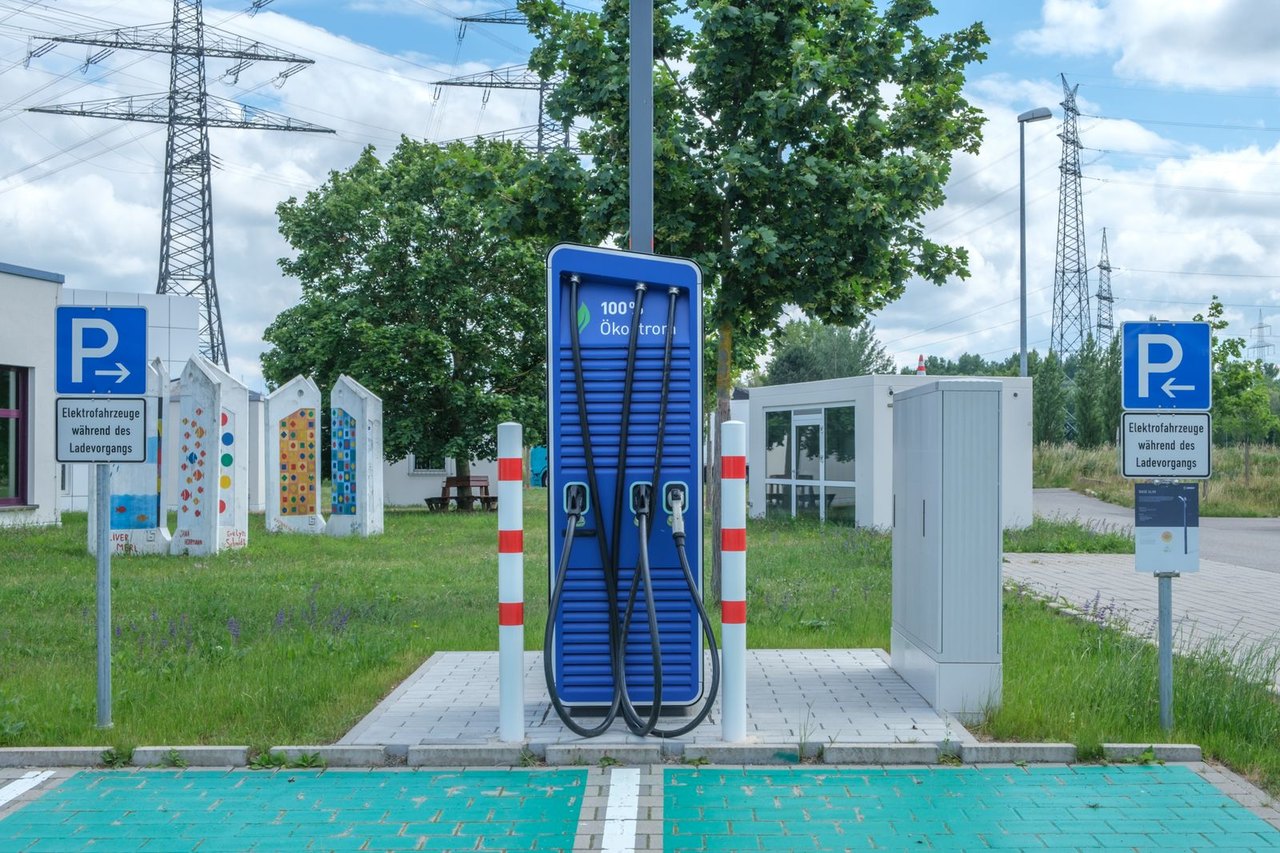
If you drive an EV home to a Costa Mesa condo or apartment, the question comes up fast: can you actually install an EV charger when you do not own the parking structure? The short answer is usually yes. California has two Right to Charge laws that make it hard for a homeowners association or a landlord to say no, and most multi-family residents here have more options than they expect. This guide explains what the law gives condo owners and renters, how multi-family and HOA EV charging actually gets installed in a shared building, and the practical steps to take before you request a charger near the 405 or 55.
What Condo and Apartment Residents Should Know
- California's Right to Charge laws limit how much an HOA or a landlord can block an EV charger, so most condo owners and renters can install one.
- For condo owners, Civil Code 4745 makes any rule that prohibits or unreasonably restricts a charging station in your own space void and unenforceable.
- For renters, Civil Code 1947.6 requires a landlord to approve a written request to install a charger at your assigned space, with some exemptions.
- The resident who installs the charger generally pays for the equipment, the installation, and the electricity it uses.
- A Level 1 outlet often charges overnight at an assigned space, while Level 2 needs a dedicated 240-volt circuit and, often, panel or sub-panel work.
- An EV charger on a shared property in Costa Mesa still needs a permit and a licensed contractor, just like a single-family install.
Can You Install an EV Charger in a Condo or Apartment?
Yes, in most cases you can install an EV charger in a Costa Mesa condo or apartment, because California law protects your right to do it. The state has what are commonly called Right to Charge laws, which limit how far a homeowners association or a landlord can go in blocking a charging station. The U.S. Department of Energy's Alternative Fuels Data Center notes that California law bars a common interest development from prohibiting or restricting EV charger installation in an owner's designated parking space. Renters have a parallel protection. That does not mean installation is automatic or free, but the starting point is a legal right rather than a board's or a landlord's whim.
What Does California's Right to Charge Law Say for Condo Owners?
If you own a condo, California Civil Code 4745 is the law that matters. It makes any provision in your association's governing documents that effectively prohibits or unreasonably restricts the installation or use of an EV charging station void and unenforceable, whether your parking is deeded, assigned, or in an exclusive-use common area. The Department of Energy summarizes that a common interest development may not prohibit or restrict charger installation in a homeowner's own space, though the association may impose reasonable restrictions that do not significantly raise the cost or cut the charger's performance.
How the Approval Process Works
Your HOA can require you to apply, but it cannot stall. If approval is required, the board must treat your request like any architectural modification and respond in writing, and if it does not deny the application within 60 days it is generally deemed approved. For a charger in a common area, you agree in writing to follow the association's architectural standards, use a licensed contractor, carry the required insurance, and pay for the installation and the electricity. These are conditions, not roadblocks, and most Costa Mesa associations approve a well-prepared request.
What Are Your Rights as a Renter in an Apartment?
Renters have their own protection under California Civil Code 1947.6, added by AB 2565. According to the California Governor's Office of Business and Economic Development, the law requires a landlord to approve a tenant's written request to install a charging station at the tenant's assigned parking space for leases signed, renewed, or extended on or after July 1, 2015. The installation follows the landlord's normal process for property modifications, and the tenant agrees in writing to pay the costs.
There are limits. The requirement does not apply when charging stations already serve at least 10 percent of the designated parking spaces, when parking is not part of the lease, or when the property has fewer than five parking spaces, and rent-controlled housing has its own rules. The tenant pays the up-front installation cost before work begins, plus ongoing electricity and any maintenance, repair, or removal. For the many Costa Mesa renters in apartment complexes near South Coast Metro, that still leaves a clear legal path to a charger at an assigned space.
What Charging Options Work Without a Private Garage?
When you share a parking lot or structure, your options run from simplest to most involved. The simplest is Level 1: the cord that comes with the car plugged into a standard 120-volt outlet at or near your space. The Alternative Fuels Data Center points out that Level 1 can work with no added equipment when there is a dedicated outlet where the car is parked, and for many condo and apartment drivers an overnight Level 1 charge covers daily driving. A faster Level 2 charger runs on a dedicated 240-volt circuit and usually means running new wiring from the building's electrical system to your space.
Shared and Common-Area Stations
Some buildings go beyond a single space and add shared Level 2 stations in common parking, managed with assigned access, time limits, or a reservation system so a handful of chargers serve many residents. In Costa Mesa, Southern California Edison runs programs that help apartment and condo properties bring in charging infrastructure, which can lower what an owner or HOA pays to electrify a shared lot. Where your own space cannot be wired, a common-area installation or nearby workplace and public charging may be the realistic path.
Who Pays for an EV Charger in a Condo or Apartment?
In almost every case, the resident who wants the charger pays for it. Both Right to Charge laws put the cost on the owner or tenant who requests the station: you cover the equipment, the installation, and the electricity you use, and you remain responsible for maintenance, repair, and eventual removal.
What actually drives the price in a multi-family building is distance and capacity. A space far from the electrical room needs a longer, costlier conduit run, and if the building or your unit's panel lacks spare capacity, an electrician may need to add a sub-panel or a dedicated meter. Costa Mesa's housing mix makes this uneven: older buildings on the Eastside and in Mesa Verde often have tight panels, while newer construction near South Coast Metro tends to have more room. A site visit is the only way to know which situation you are in.
What Should a Costa Mesa Resident Do First?
Start by reading the paperwork that governs your space. Condo owners should pull the association's CC&Rs and architectural guidelines to see how charger requests are handled; renters should check the lease and confirm the parking space is assigned to them. Next, put your request in writing, because both laws are built around a written application, and keep a dated copy so the HOA's 60-day clock or the landlord's approval process is on record.
Then bring in a licensed electrician early. An EV charger circuit in Costa Mesa needs a permit and inspection, and a licensed C-10 contractor handles the load calculation, the permit, and the install so the work passes and your insurance holds. A good installer will also tell you whether your assigned space can support Level 2 or whether Level 1 or a common-area option makes more sense. If you are weighing a charger in a shared building, Costa Mesa EV Charger can assess your panel and parking and handle the permitted multi-family and HOA EV charging install from start to finish.
Live in a Costa Mesa condo or apartment and not sure what your building will allow? We read your panel, your space, and your options, then give you a flat quote and handle the permit and install, whether that is a single space or a shared lot.
Instant QuoteCondo and Apartment EV Charging: Common Questions
Can my HOA stop me from installing an EV charger?
Generally no. California Civil Code 4745 makes any HOA rule that prohibits or unreasonably restricts an EV charging station in your designated space void and unenforceable. The association can require an application and reasonable conditions, such as using a licensed contractor and carrying insurance, but it cannot simply refuse, and if it does not deny a complete request in writing within 60 days the request is typically deemed approved.
Can my landlord refuse an EV charger in my apartment?
In most cases no. Under Civil Code 1947.6, a landlord must approve a tenant's written request to install a charging station at an assigned parking space for leases signed or renewed on or after July 1, 2015. Exceptions exist, such as properties with fewer than five parking spaces or where chargers already serve at least 10 percent of spaces, and the tenant pays the installation and electricity costs.
Do I need my own garage to charge an EV in Costa Mesa?
No. Many condo and apartment residents charge at an assigned outdoor or structure space rather than a private garage. A standard Level 1 outlet at your space often covers daily driving overnight, and a Level 2 charger or a shared common-area station can be added where the building's wiring allows. Nearby workplace and public charging fill the gaps.
Who pays for an EV charger in a condo or apartment?
The resident who requests the charger pays. Both California Right to Charge laws put the cost of the equipment, installation, and electricity on the owner or tenant, along with maintenance and removal. The main cost drivers in a shared building are the distance from the electrical panel to your space and whether the building has spare electrical capacity.
Get a Charger Approved and Installed in Your Building
From reading your HOA's rules or your lease to pulling the permit and wiring the circuit, we handle EV charging for Costa Mesa condos and apartments, sized to your space and done to code.